Understanding China’s LFP Cathode Material Overcapacity
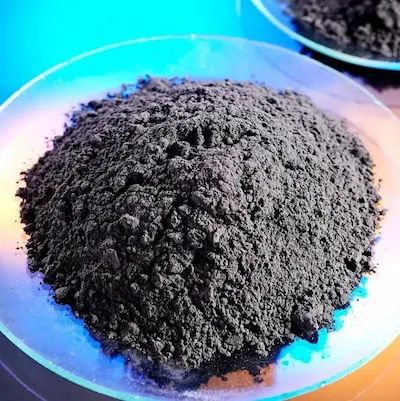
Taking the LFP cathode material industry as an example, the Top20 companies are expected to build out 5 million tonnes in effective production capacity by 2026, while demand is only expected to reach 3.5 million tonnes.
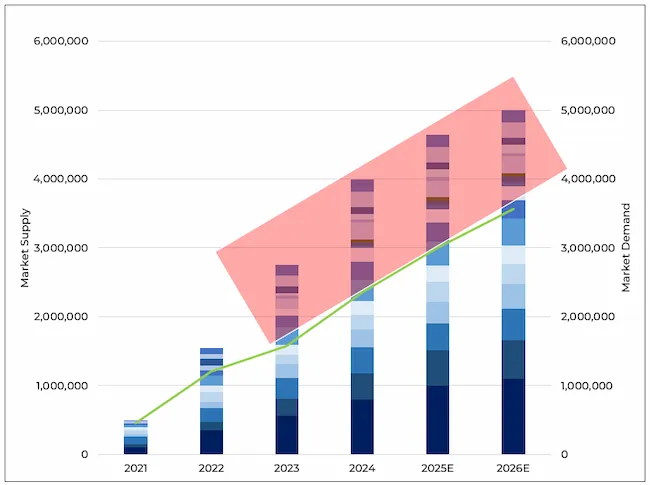
Assume companies have invested in building out their LFP cathode material projects and have been certified by the downstream customers.
So how does the LFP Cathode Material market work? Well, it is a commoditised market:
- Companies produce a standard series of cathode material products, usually categorised as low-to-mid end products, and high-end products and are sold into their respective markets i.e. electric vehicles and energy storage systems.
- Low-to-mid end products obtain a small gross profit margin, while high-end products receive a larger gross profit margin.
- With many contenders in the market, red ocean theory implies companies are price takers (sold under quoted market prices).
So how do LFP Cathode Material companies compete?
- Lower their raw material costs through investing in vertical-integration to acquire upstream resource assets (this increases gross profit margins by reducing unit direct costs).
- Increase their unit sales price by marketing high-end products. This is done by investing 5% of annual revenue in research and development projects which produce high-end products (these products receive a higher unit sales price when compared with the low-to-mid end products.
- Lower other operating costs
- energy costs by installing energy-saving equipment
- labour and manufacturing costs by installing automated production line equipment and machines
- By-product revenue from comprehensive utilisation of the flowsheet, i.e. recycling waste material, and recovering by-products
- From a business layout, move into new overseas markets. Currently China is in a frenzy, so going overseas where gigafactories and auto companies are now switching to LFP cathode material away from ternary, this has provided an opportunity for Chinese firms to go overseas to look for new revenue channels.
It should be mentioned that of the top20 LFP cathode companies only several have the know-how and are qualified with customers to produce and sell high-compaction LFP. Of which these companies have already publicly stated it will only take 1-2 years for the remaining competitors to obtain the know-how and get their own products qualified. So the high profit margin these few receive now will be eroded in a matter of a 1-2 years.
The need for close relationships with customers tied into R&D underpinned by current revenue streams make these companies laser focused on delivering next-gen products. In the end, companies which do not execute will be squeezed out by market consolidation. A higher concentrated market will result.
China has many years of experience and will continue to corner the market, given the West is attempting to onshore a domestic supply chain, perhaps the best strategy might be to joint venture with Chinese companies which are efficient in building out production lines while domestic companies stall or terminate.
View GDC LFP cathode material industry market research report click here
For more blog articles click here
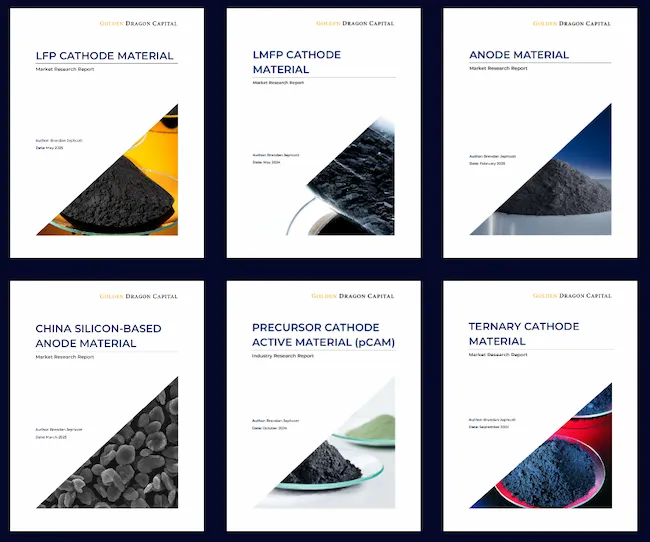
To view GDC market research reports click here
Golden Dragon Capital Limited | Comprehensive Market Research Reports
About us
GDNM provides commentary on how energy transition minerals contribute towards the decarbonisation and electrification of the global economy, with a particular focus on the lithium-ion battery and rare earths supply chains.
GDNM founder, Mr Brendan Jephcott is an Australian who has worked in the global mining sector for more than 13 years, of which his experience covers precious metals, nonferrous metals, ferrous metals, base metals, bulk commodities, rare earths, and the lithium-ion battery industry.
For the last 9 years Mr Jephcott has focused on the burgeoning new energy industry, participating in cross-border transactions in buy-side and sell side roles, cultivating a global business network ranging from upstream resource companies, midstream intermediate product producers, and downstream consumers such as gigafactories and auto companies.