NL Cathode Material Enters the LCO World
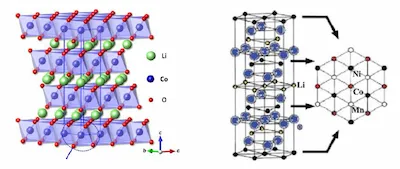
New Layered (NL cathode material) is a new type of cathode material with superior performance and greater cost reduction which can meet the needs of downstream consumer electronics, power batteries, and other fields.
NL cathode material is a new structure of lithium-ion battery cathode material developed by XTC New Energy Materials Xiamen Co., Ltd (688778.SZ) in cooperation with its customers which uses a special process to achieve directional doping of lithium layers.
Compared with traditional cathode materials, the layered structure of NL cathode material is more stable and the interlayer spacing is wider so it has higher energy density, better rate performance and better high voltage stability.
In the future, NL cathode materials are expected to be widely used in 3C consumer electronics, robots, low-altitude economy, solid-state batteries, and other fields.
How NL cathode material solves the commercial directions of LCO and ternary cathode materials
The technical improvement goal of LCO cathode materials is to increase their upper working voltage limit, thereby increasing energy and power density.
LCO cathode material is in the first-generation of commercial cathode materials with advantages such as high specific capacity, good cycle performance, strong thermal stability, and simple synthesis process.
LCO cathode materials are the best choice for small lithium-ion batteries because their compaction density is greater than that of ternary materials, up to 4.2 g/cm³, which can meet the rigid demand for high volume energy density of consumer electronic devices such as smartphones and laptops under the current trend of thinness and lightness.
The disadvantage of LCO cathode materials is that they are prone to irreversible structural transformation and adverse side reactions with electrolytes at higher voltages, resulting in rapid capacity decay and reduced cycle stability.
The technical improvement goal of ternary cathode materials is to maintain the stability of the material while increasing the nickel content. Ternary cathode material can be balanced and regulated in terms of specific energy, cyclability, safety and cost. Different configurations of the three elements of nickel, cobalt and manganese will bring different properties to the material.
Suitable for high-end electric vehicles to increase their driving time. As the nickel content increases, the specific capacity of the ternary material will also increase, but the high nickel content will also bring many negative effects:
- The material is difficult to store
- The thermal stability of the material deteriorates
- The electrolyte adaptation problem
How LCO cathode materials are modified
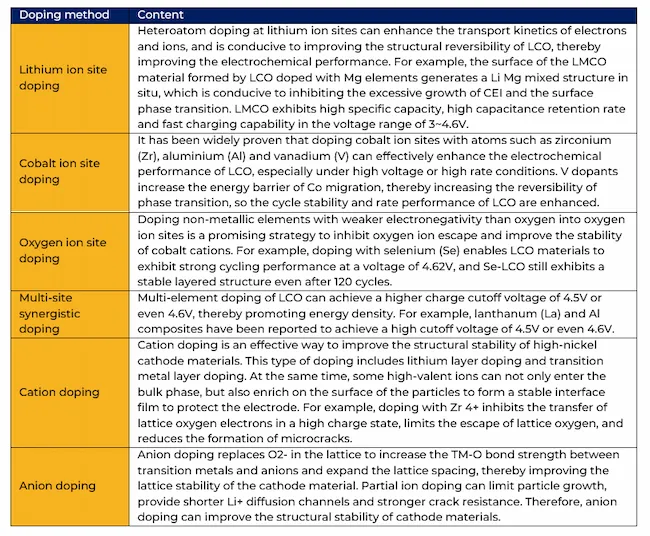
As the downstream demand for cathode materials continues to increase and facing the disadvantages of traditional LCO and ternary cathode materials, it is urgent to improve the performance limit through material modification.
LCO cathode materials need to be modified to increase the maximum operating voltage they can withstand, while ternary cathode materials are modified to improve their structural stability.
To view GDC LCO cathode material market research reports click here
Rise of XTC’s NL Cathode Material Series
XTC New Energy Materials Xiamen Co., Ltd has a lot of technical experience in the field of LCO and ternary cathode materials, and has strong R&D capabilities. The promotion of the NL cathode material project quality is guaranteed.
- With more than 20 years of continuous technical research and industry development, XTC New Energy Materials Xiamen Co., Ltd has built a cathode material R&D system covering both power and 3C lithium batteries, becoming one of the few leading companies in the world to achieve technical synergy breakthroughs in two major application scenarios.
- Relying on the deep technical accumulation in the field of LCO and ternary cathode materials, the company has formed a core technology reserve to support the R&D of the NL new cathode material project and has a technological first-mover advantage.
- The company’s NL cathode material project has accumulated a lot of experience and is about to be released. The company has cooperated with internationally renowned battery manufacturers to develop NL positive electrode materials for four years, accumulated rich R&D experience, and the project is progressing smoothly.
- The company expects the total investment scale of cathode materials in the NL structural power field to reach 2.5 million CNY, and as of April 2025, it has reached more than 1.2 million CNY. At present, the customer’s small-scale test evaluation has been completed and is ready to enter the pilot stage. At this stage, the comprehensive performance of NL cathode material technology exceeds that of traditional materials with the same components by more than 20%, reaching a technological leading position.
Current Market Situation
In terms of the market, at present, the battery capacity of smartphones continues to upgrade to meet the high energy consumption requirements of mobile phones under the current trend of AI phones and folding screens.
While the battery capacity is expanding, it also drives the demand for charging efficiency (fast charging), and the high energy density of cathode and anode materials can drive a significant improvement in battery performance.
High-voltage LCO cathode material is the mainstream choice for mid-to-high-end 3C consumer electronics due to its high compaction density, and it also meets the needs of this field for high energy, lightness, and fast charging.
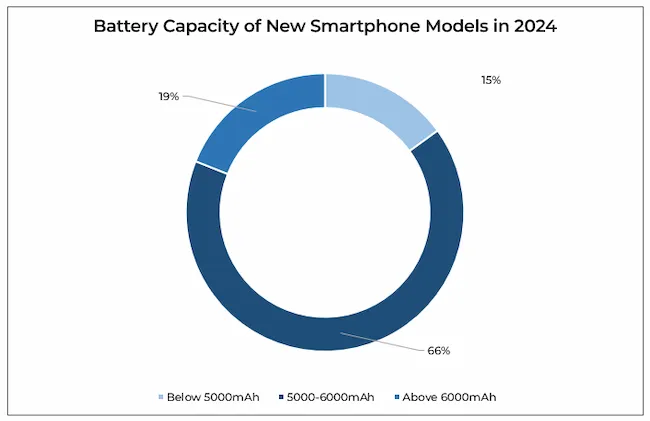
At present, smartphones have entered the “6000mAh era”, and it is expected that the proportion of models with a capacity of more than 6000mAh will increase year by year in the future. In 2024, due to the rise of silicon-carbon anode material technology, among the new models launched by mainstream smartphone brands, more than 30 models have a battery capacity of more than 6,000mAh, achieving a leap forward.
Among them, the ZTE Nubia RedMagic 10 Pro and Realme Neo7 in the second half of 2024 reached a battery capacity level of 7,000mAh. The Honor Power released in the first half of 2025 is equipped with an 8,000mAh Qinghai Lake battery.
The direct method and main difficulty to increase the battery energy density is to increase the upper limit of the battery’s operating voltage.
The performance requirements of the consumer electronics end are relatively high. Under the current development trend of 5G communications and the Internet of Things, the demand for higher power density and energy density batteries has increased accordingly.
Potential of NL Cathode Material
Thanks to the efforts of numerous researchers, the working voltage and volume energy density of LCO cathode materials have been improved. When the working voltage increase, the volume energy density can increase, but it also leads to many problems, such as easy irreversible phase change and phase anisotropy volume change.
NL cathode materials modified by directional doping of LCO cathode materials can improve energy density and power density. Specifically, the energy density of NL cathode materials is improved by 10% to 15% under the same voltage platform. By introducing doping of multiple elements, LCO cathode materials can achieve higher working voltages. Higher performance makes it likely to take the lead in occupying the high-end consumer electronics market. NL cathode materials are about to be released in large quantities, and AI mobile phone consumer terminals may be the first battle for downstream applications of NL cathodes.
How about Safety?
In terms of safety and cost, NL cathode material improves its charge and discharge performance while reducing costs through the modification of ternary cathode materials, meeting the demand for low cost of downstream power batteries. NL cathode materials increase the stability of the material layered structure and extend its cycle life through directional doping technology; directional doping of cheap metals to replace precious metals such as nickel and cobalt is expected to effectively reduce costs after large-scale mass production. Doping can expand the spacing of metal materials, reduce the resistance to lithium ion movement, and increase the charge and discharge rate.
In addition to entering the consumer electronics market, NL cathode material is expected to break through the small power battery market, such as the low-altitude economy field. Its advantages of high energy density and high rate performance meet the needs of drones and low-altitude aircraft for longer flight time, higher flight speed, and more stable flight performance. With the gradual increase in the company’s production capacity and investment in technology research and development, NL cathode material is expected to further reduce costs and increase efficiency to expand its market share.
For more blog articles click here
To view GDC market research reports click here
Golden Dragon Capital Limited | Comprehensive Market Research Reports
About us
GDNM provides commentary on how energy transition minerals contribute towards the decarbonisation and electrification of the global economy, with a particular focus on the lithium-ion battery and rare earths supply chains.
GDNM founder, Mr Brendan Jephcott is an Australian who has worked in the global mining sector for more than 13 years, of which his experience covers precious metals, nonferrous metals, ferrous metals, base metals, bulk commodities, rare earths, and the lithium-ion battery industry.
For the last 9 years Mr Jephcott has focused on the burgeoning new energy industry, participating in cross-border transactions in buy-side and sell side roles, cultivating a global business network ranging from upstream resource companies, midstream intermediate product producers, and downstream consumers such as gigafactories and auto companies.