LMR Batteries to be unlocked by LGES and GM
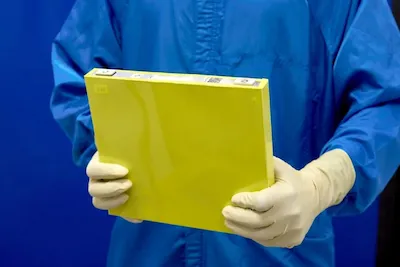
LMR batteries could be the technology breakthrough the West needs to break into EV mass market adoption and catch up to China’s lead.
The partnership between LG Energy Solution (LGES) and General Motors (GM) to commercialise lithium manganese-rich technology (LMR batteries) representing a pivotal moment in the evolution of EV batteries.
LMR chemistry, once considered promising but plagued by technical hurdles such as voltage fade and limited cycle life, has now reached a level of maturity thanks to years of research and development by LGES, which holds more than 200 patents in this area.
This breakthrough means that LMR batteries can finally be produced at scale with the durability, safety, and performance necessary for demanding automotive applications.
The chemistry’s defining feature is its high manganese content (about 65%) which slashes the use of cobalt to zero and reduces nickel content to about 35%. This is a major shift from today’s high-nickel ternary batteries, which are costly and heavily reliant on minerals with volatile supply chains and ethical concerns, especially regarding cobalt mining in the DRC.
Technical Benefits of LMR Batteries
From a technical perspective, the LMR batteries’ prismatic cell design is also a significant innovation. Prismatic cells are rectangular and rigid, making them easier to stack and fit into the large battery packs required by trucks and SUVs.
This design allows for more efficient use of space and improved thermal management, which is critical for maintaining battery performance and safety in large, high-power vehicles. The streamlined packaging reduces the number of components in the battery pack, which not only lowers manufacturing complexity and costs but also improves reliability by reducing potential points of failure.
Additionally, the higher energy density of LMR cells—about a third more than LFP cells—means automakers can offer longer driving ranges without increasing battery size or weight, a key factor for the mass-market appeal of electric trucks and SUVs.
Economical Benefits of LMR Batteries
The economic implications of this technology are profound. By dramatically reducing the reliance on nickel and cobalt, GM and LGES are insulating themselves from the price volatility and supply risks associated with these metals. Manganese is much more abundant and affordable, and its increased use could help stabilize battery prices even as EV adoption accelerates globally.
Furthermore, GM’s commitment to sourcing materials like lithium, graphite, and manganese from North American suppliers is a strategic move to localize its supply chain, reduce geopolitical risks, and support domestic industry. This is especially important in the context of recent global supply chain disruptions and increasing scrutiny of the environmental and social impacts of battery material extraction.
On the manufacturing front, the new LMR cells will be produced through Ultium Cells, the GM-LGES joint venture, with pre-production starting at an LGES facility in late 2027 and full-scale commercial production in the United States by 2028.
This timeline positions GM to be the first auto company to bring LMR-powered vehicles to market, giving it a competitive edge over rivals like Ford Motor, which has also announced plans to use manganese-rich batteries but is further behind in development.
The validation process for these cells will take place at GM’s Battery Cell Development Center in Michigan, where engineers will ensure the technology meets the company’s rigorous standards for safety, performance, and longevity.
Low-cost LMR Batteries brings wider customer base
Strategically, the introduction of LMR batteries is not about replacing existing chemistries but about expanding GM’s battery portfolio to better serve a diverse range of vehicles and customers.
High-nickel ternary batteries will remain the choice for ultra-long-range and high-performance applications, while LFP batteries will continue to power entry-level and cost-sensitive models.
LMR batteries, with their unique balance of cost, energy density, and sustainability, are ideally suited for large-format applications like pickup trucks and SUVs, where range, payload, and affordability are all critical. This flexible approach allows GM to optimise each vehicle’s battery for its specific use case, improving overall competitiveness and customer satisfaction.
ESG implications
Beyond the technical and economic benefits, the LMR batteries initiative also has important environmental and social implications. By virtually eliminating cobalt and reducing nickel, GM and LGES are addressing some of the most pressing ethical concerns in the battery supply chain, such as child labor and environmental degradation associated with cobalt mining.
The move to domestically sourced materials further reduces the carbon footprint of battery production and supports local economies. These factors are increasingly important to consumers, investors, and regulators, and they position GM as a leader in responsible and sustainable EV manufacturing.
Looking forward, the LGES and GM LMR batteries partnership is a landmark development that promises to reshape the landscape for electric trucks and SUVs. By combining advanced chemistry, innovative cell design, localized supply chains, and a flexible manufacturing strategy, GM and LGES are poised to deliver EVs that are not only more affordable and capable but also more sustainable and ethically sourced. This initiative could accelerate the transition to electric mobility, making high-performance, long-range EVs accessible to a much broader segment of the population and setting new standards for the industry as a whole.
For more blog articles click here
To view GDC market research reports click here
Golden Dragon Capital Limited | Comprehensive Market Research Reports
About us
GDNM provides commentary on how energy transition minerals contribute towards the decarbonisation and electrification of the global economy, with a particular focus on the lithium-ion battery and rare earths supply chains.
GDNM founder, Mr Brendan Jephcott is an Australian who has worked in the global mining sector for more than 13 years, of which his experience covers precious metals, nonferrous metals, ferrous metals, base metals, bulk commodities, rare earths, and the lithium-ion battery industry.
For the last 9 years Mr Jephcott has focused on the burgeoning new energy industry, participating in cross-border transactions in buy-side and sell side roles, cultivating a global business network ranging from upstream resource companies, midstream intermediate product producers, and downstream consumers such as gigafactories and auto companies.