How Lithium-ion Battery Separators Prevent EV Fires
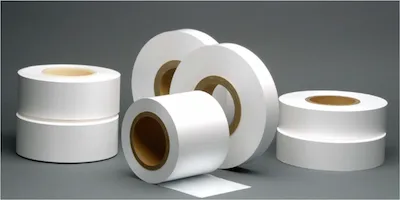
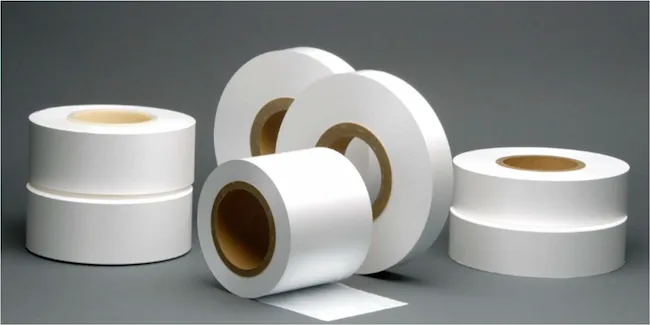
Lithium-ion battery separators serve as critical safety component as they defend against thermal runaway and potential fires in electric vehicles.
These microporous membranes are strategically positioned between the anode and cathode to prevent direct contact while allowing ionic flow, and they incorporate sophisticated safety mechanisms designed to prevent catastrophic failures.
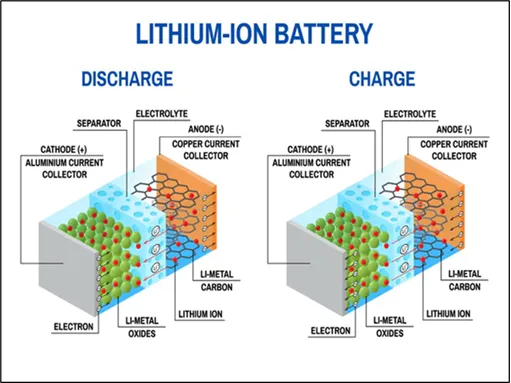
Prevention Mechanisms for EV Fires drawn from Lithium-ion Battery Separators
Thermal Shutdown Function
The most critical fire prevention feature of battery separators is their thermal shutdown capability.
When battery temperatures rise abnormally due to overcharging, external damage, or malfunction, the separator automatically activates a shutdown mechanism to prevent thermal runaway.
This process works by self-blocking micropores (lithium-ion pathways) when temperatures increase, effectively cutting off the battery reaction to prevent further temperature escalation.
The shutdown protection temperature varies by material type, with polyethylene (PE) separators activating at approximately 130°C and polypropylene (PP) separators at around 160°C. This timing is crucial because shutdown must occur at temperatures slightly lower than where thermal runaway begins, providing a safety margin to prevent fires.
Multi-Layer Protection Systems
Commercial separators often employ trilayer PP/PE/PP configurations that provide enhanced fire prevention through staged thermal response.
The PE layer, with its lower melting point of 135°C, serves as the shutdown layer that closes pores and stops current flow when overheating occurs.
Meanwhile, the PP layers, with higher melting temperatures of 165°C, maintain structural integrity to prevent separator breakdown that could lead to direct electrode contact and potential fires.
Advanced Safety Features Through Coating Technologies
Ceramic Coating Enhancement: Ceramic-coated separators significantly improve fire prevention capabilities by enhancing thermal stability beyond conventional polyolefin membranes.
These coatings, typically made from high-purity alumina or boehmite particles, form protective layers 2-5 micrometers thick that provide several safety benefits:
- Increased meltdown temperature: Ceramic coatings raise the temperature at which the separator completely fails, providing additional time for thermal management systems to respond
- Improved structural integrity: The ceramic layer maintains separator structure at elevated temperatures, preventing electrode contact that could cause internal short circuits
- Enhanced puncture resistance: Coated separators demonstrate superior resistance to lithium dendrite penetration, which can cause internal shorts and fires
Aramid Coating Technology: Aramid-coated separators represent an advanced fire prevention solution, with aramid’s molecular structure providing exceptional heat resistance. These separators can withstand rupture temperatures exceeding 260°C, far beyond conventional separator limits. The aromatic groups in aramid molecular structures contribute to outstanding thermal stability, making them particularly effective for high-temperature safety applications.
To view GDC Lithium-ion Battery Separators Market Research Report click here
Mechanical Safety Properties
Puncture Resistance: Battery separators must maintain puncture strength greater than 300 g/mil to prevent lithium dendrites from penetrating through the membrane during battery cycling.
When dendrites pierce the separator, they create direct pathways between electrodes, causing internal short circuits that generate heat and can lead to thermal runaway and fires. Wet-process separators typically achieve puncture strengths of 300-550 gf, while dry-process separators reach 200-400 gf.
Dimensional Stability: Separators must maintain dimensional stability under thermal stress to prevent electrode contact.
If thermal shrinkage exceeds 5% after 60 minutes at 90°C, the separator may contract sufficiently to allow cathode and anode contact at battery edges, creating direct short circuits that generate heat and increase fire risk.
High-quality separators maintain shrinkage below these critical thresholds through careful material selection and processing.
Process-Specific Safety Advantages
Wet Process Separators: Wet-process separators offer superior mechanical strength and puncture resistance, making them more resilient under physical stress that could otherwise lead to separator failure and fires.
Their uniform pore structure and higher porosity (35-45%) provide better electrolyte retention and ionic conductivity, reducing internal resistance that could generate excessive heat.
Dry Process Separators: Dry-process separators excel in thermal properties, providing better heat resistance and superior performance in managing thermal runaway scenarios. With higher melting temperatures (165°C for PP) and minimal heat shrinkage at elevated temperatures, they offer enhanced safety margins against thermal events.
Chemical and Electrochemical Stability
Lithium-ion battery separators must remain chemically inert throughout battery operation to prevent reactions that could generate heat or toxic gases.
The separator-electrolyte system must maintain stability across the full operational voltage range (0-5.0V) to prevent electrochemical breakdown that could compromise safety. Modern polyolefin separators demonstrate excellent long-term chemical stability, ensuring consistent fire prevention performance throughout battery lifecycle.
Lithium-ion Battery Separators Undergo Strict Manufacturing Quality Control
The effectiveness of fire prevention depends heavily on manufacturing precision and quality control. Key factors include:
- Uniform pore size distribution: Ensures consistent current distribution and prevents localized heating that could trigger thermal events
- Contamination control: Foreign matter content must remain minimal to prevent puncture points that could lead to internal shorts
- Thickness uniformity: Consistent separator thickness prevents weak points that could fail under stress
Concluding Thoughts
Lithium-ion battery separators are very important core component material for high-performance applications such as electric vehicles, as through multiple layers of protection, thermal shutdown mechanisms, advanced coating technologies, mechanical strength properties, and manufacturing quality control, enable lithium-ion battery separators to serve as the primary defense against fires in electric vehicles batteries, providing both passive protection during normal operation and active intervention during thermal events.
For more blog articles click here
To view GDC market research reports click here
Golden Dragon Capital Limited | Comprehensive Market Research Reports
About us
GDNM provides commentary on how energy transition minerals contribute towards the decarbonisation and electrification of the global economy, with a particular focus on the lithium-ion battery and rare earths supply chains.
GDNM founder, Mr Brendan Jephcott is an Australian who has worked in the global mining sector for more than 13 years, of which his experience covers precious metals, nonferrous metals, ferrous metals, base metals, bulk commodities, rare earths, and the lithium-ion battery industry.
For the last 9 years Mr Jephcott has focused on the burgeoning new energy industry, participating in cross-border transactions in buy-side and sell side roles, cultivating a global business network ranging from upstream resource companies, midstream intermediate product producers, and downstream consumers such as gigafactories and auto companies.